
18.4 C
Lisbon
Wednesday, March 4, 2026
Home Blog Page 2

Mental health care in Portugal: more options, more languages, more challenges

0

Portugal is one of the European countries with the highest rates of depression, anxiety, and other mental health disorders. The COVID-19 pandemic has also worsened the situation, as many people face isolation, stress, and uncertainty. To cope with these challenges, the Portuguese government and other institutions have increased the availability and accessibility of psychological counselling services, especially through telephone lines.

One of the main initiatives is the SNS 24 psychological counselling line, which was created in April 2020 in partnership between the Ministry of Health, the Calouste Gulbenkian Foundation, and the Ordem dos Psicólogos Portugueses. This line offers free and confidential psychological support 24 hours a day, seven days a week, to anyone who needs it. The service is now also available in English, to cater to the growing number of foreign residents and refugees in Portugal.

Another example of psychological support available in English is the Expatica Counselling Service, which provides online therapy sessions with qualified and experienced therapists. This service is aimed at expats who may struggle with cultural adaptation, loneliness, or other issues related to living abroad.

Besides these services, there are also other psychological counselling lines offered by various entities, such as city halls, parish councils, universities, social solidarity institutions, and so on. These lines are supported by the Ordem dos Psicólogos Portugueses, which provides training and discussion forums for the psychologists involved.

The increase in mental health care in Portugal is a positive sign of the recognition and importance of this issue, as well as the willingness to help those who suffer from it. However, there is still room for improvement, as the demand for psychological support often exceeds the supply, and the stigma and discrimination associated with mental health problems persist. Therefore, it is essential to continue to invest in prevention and education, as well as to provide emergency support and crisis lines for those in need.

Source: sns24.gov.pt, theportugalnews.com, expatica.com, apa.org
Portugal’s Minister of Labour Praises Foreign Workers for Their Contribution to Social Development

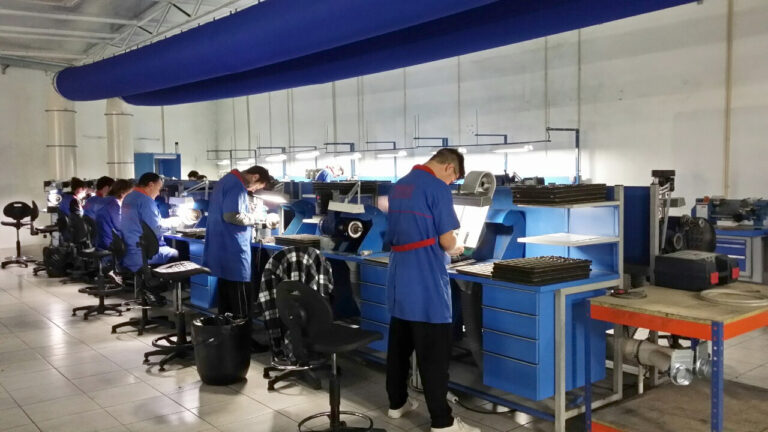
Ana Mendes Godinho, the Minister of Labour and Social Security, recently spoke at a parliamentary hearing on the draft State Budget for 2024. During her speech, she highlighted the significant contribution made by foreign workers in Portugal to the country’s social welfare system. In 2022, foreign workers paid €1.8 billion to Social Security, and by August 2023, they had already paid €1.7 billion.

The minister emphasized that these figures demonstrate how Portugal benefits from being an inclusive and welcoming country that attracts people from diverse backgrounds and cultures. She also challenged the notion that foreign workers are low-skilled, highlighting that over half of the new jobs created for them are in sectors such as technology, consulting, and technical expertise.

Ana Mendes Godinho affirmed that Portugal is a country for everyone who chooses to live there, and that everyone should have equal rights and opportunities to work and prosper.

SEF Replacement Agency AIMA Braces for a Challenging 2024 in Portugal

The Agency for Integration, Migrations and Asylum (AIMA), the successor to Portugal’s Immigration and Border Service (SEF), is set to face the most significant test of its existence in 2024. The agency, which came into operation at the end of October 2023, has inherited a backlog of 350,000 pending cases.

The creation of AIMA was a result of merging part of the functions of the Foreigners and Borders Service (SEF) and the High Commission for Migrations. This move fulfilled an old promise from the PS, which advocated for the end of SEF. SEF’s powers were transferred to six organizations, with police functions passed to the PSP, GNR, and Judiciary Police.

The end of the government and the scheduling of elections in March have put the commitments of the socialist executive at risk. Every day, hundreds of requests for regularization enter a system that still fails to provide a sufficient response. Portugal is one of the few European countries that allows an irregular immigrant worker to apply for a visa at the national authorities. These are the cases that are clogging up the system.

To try to resolve the situation, the outgoing government promised to invest in modernizing the IT system. In the first quarter of 2024, the executive said it would launch an operation in conjunction with municipalities and immigrant support offices, with AIMA resources in citizen stores, to meet pending requests. The list of promises includes new programs teaching Portuguese to immigrants, a new quality telephone call centre, and a new multidisciplinary centre to manage international protection processes.

As AIMA braces for a challenging 2024, it remains to be seen how effectively it can navigate these hurdles and fulfil its promises. The agency’s performance will be crucial in shaping Portugal’s immigration policy and its approach to managing migration and asylum.

Source:theportugalnews.com

Pedestrian-Friendly Holidays: Lisbon’s Traffic Restriction Plan

0

During the festive season, Chiado in Lisbon will have restricted road traffic. From Friday to January 7, vehicles will only be allowed from 9:00 pm on Friday to 12:00 pm on Sunday. This measure is intended to reduce the impact of large crowds.

The Lisbon City Council assures that residents will still have access, and loading and unloading will be permitted between 06:00 and 10:00.

The restriction, which runs from December 22nd to January 7th, aims to enhance pedestrian safety and facilitate free movement by reducing road access during weekends.

Affected streets include Rua Garrett and Rua Nova do Almada, up to the intersection with Rua de São Nicolau. Traffic will be redirected to Rua do Crucifixo.

Rua Ivens will also see changes in traffic flow, particularly between the intersection with Rua Capelo and Rua Garrett. Traffic will be rerouted towards Rua Capelo and Rua Serpa Pinto.

Rua Serpa Pinto will have traffic restrictions between Rua Garrett and the intersection with Rua Capelo, with traffic being diverted downwards on Rua Serpa Pinto.

Calçada do Sacramento will also have restrictions between Rua Garrett and the intersection with Rua Almirante Pessanha, although exit from the car park will be allowed.

The Lisbon City Council also reminds that until January 7, 2024, two EMEL car parks in Ameixoeira and Campo Grande will be available for free. A free Carris service will connect these car parks to downtown, stopping at Marquês de Pombal, Avenida da Liberdade, and Rossio.

The Portuguese Attraction: Why Americans are Investing in Luxury Properties

Portugal, a picturesque country on Europe’s western coast, has been drawing a significant number of American investors. The country’s compelling blend of affordability, steady growth, and strategic location, coupled with its Mediterranean climate and relaxed lifestyle, have led to a boom in American investment in Portuguese real estate, particularly in the luxury segment.

In 2023, the USA has become the leading nationality choosing to invest in Portugal. According to data from the Portuguese Service of Foreign Immigration, American investment in Portugal has more than tripled compared to 2021. The country’s economy has shown resilience and consistent growth, revealing a favourable outlook for public finances.

Investment in the purchase of real estate, as part of the golden visa program, has been a significant driver of this trend. However, it’s worth noting that real estate investments will no longer be eligible for Golden Visa purposes,

Rising living and housing costs, violent wildfires and floods, a declining sense of security, a crippling healthcare system, and an increasingly polarised political ideology are some of the reasons why Americans have seemed to move their lives across the Atlantic, particularly to Portugal.

The interest in moving to Portugal is deeply rooted in finding a similar lifestyle to that of which buyers have in their home country. The similarities are many between Portugal’s lengthy coast and both of the U.S. A’s infamous shorelines.

With comparatively more affordable housing, lower cost of living, and similar lifestyles offered all over Europe, 2023 has seen a surge of dollar investment in the Western side of the continent. As the trend continues, it’s clear that Portugal’s luxury real estate market is set to benefit greatly from this transatlantic interest.

Source: oneselectproperties.com, theportugalnews.com, idealista.pt

Lisbon Metro Adjusts Schedule for Christmas Eve

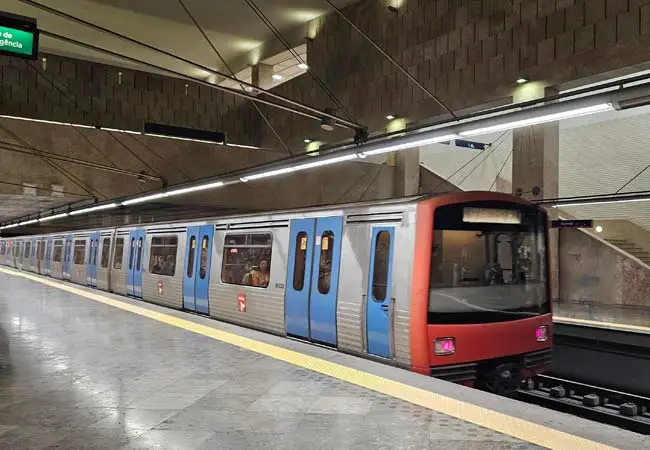
The Metropolitano de Lisboa, the primary public transportation system in Lisbon, Portugal, has announced a change in its operating hours for Christmas Eve.

In response to the reduced demand typically observed on Christmas Eve and Christmas Day, the Metropolitano de Lisboa will be closing its services early on December 24. The transport circulation will end at 22:00, allowing residents and visitors to plan their travel accordingly.

This decision aligns with the practices of previous years, reflecting the sharp reduction in demand usually seen on these holidays. The early closure allows the Metropolitano de Lisboa to optimize its services while still meeting the needs of its users.

Following the early closure on Christmas Eve, train circulation will resume the following day, December 25, at 8:00 am. This ensures that those needing to travel on Christmas Day can still access public transportation services.

The early closure and subsequent resumption of services are important for residents and visitors to keep in mind as they plan their holiday activities. Those relying on the Metropolitano de Lisboa for transportation should adjust their plans to accommodate the changed schedule.

The Metropolitano de Lisboa’s decision to adjust its operating hours for Christmas Eve is a response to the unique demands of the holiday season. By closing early on Christmas Eve and resuming services the following morning, the Metropolitano de Lisboa continues to provide reliable transportation while also adapting to the reduced demand typically seen during this time.

Source:theportugalnews.com, metrolisboa.pt

Portugal welcomes record number of tourists for New Year’s Eve.

As the year 2024 approaches, Portugal is preparing to host a record number of tourists for the New Year, reflecting the remarkable recovery of the country’s tourism industry from the devastating effects of the COVID-19 pandemic.

Portugal has been able to attract tourists from all over the world with its diverse and appealing attractions, such as its historic and cultural cities, its beautiful and sunny coastlines, and its rich and varied gastronomy. According to the National Statistics Institute (INE), the main markets for inbound tourism in Portugal are Spain, France, the UK, Germany, and the U.S., which together account for more than 80 percent of the total visitors.

One of the most sought-after destinations for the New Year’s Eve celebrations is Lisbon, the capital and largest city of Portugal. Lisbon offers a wide range of events and activities for the festive season, such as live concerts, spectacular fireworks, lively street parties, and delicious food and drinks. Some of the highlights of the New Year’s Eve program in Lisbon are:

  • The São Silvestre Road Race, a traditional 10 km run that takes place on the 31st of December, starting and ending at Praça dos Restauradores.
  • The New Year’s Eve Concert at Praça do Comércio (Terreiro do Paço), featuring popular Portuguese artists and band.
  • The New Year’s Eve Fireworks at Praça do Comércio (Terreiro do Paço) and Belém, which light up the sky and the river with dazzling colors and shapes.
  • The New Year’s Eve Street Party at Praça do Comércio (Terreiro do Paço), where thousands of people gather to dance, sing, and toast to the new year.
  • The New Year’s Eve Gastronomic Experience at various restaurants, bars, and hotels in Lisbon, where visitors can enjoy the best of Portuguese cuisine and wine, as well as international dishes and drinks.

Lisbon is also home to many hotels that cater to different budgets and preferences, ranging from luxury to budget options. According to an exploratory data analysis of the hotel booking demand with Python, based on a dataset from Kaggle, some of the insights about the hotel market in Lisbon are:

  • The city hotel has a higher occupancy rate than the resort hotel, indicating a higher demand for urban accommodation than for leisure accommodation.
  • The average daily rate (ADR), which is the average revenue per occupied room, is higher in the summer months than in the winter months, reflecting the seasonal variation of the tourism demand.
  • The most common booking type is transient, which means that the booking is not part of a group or contract, suggesting that most of the tourists are independent travellers rather than organized groups.
  • The cancellation rate is higher for the city hotel than for the resort hotel, implying that the city hotel guests are more likely to change their plans than the resort hotel guests.
  • The lead time, which is the number of days between the booking date and the arrival date, is positively correlated with the cancellation rate, meaning that the longer the lead time, the higher the probability of cancellation.

Therefore, travellers who want to secure a hotel room in Lisbon for the New Year’s Eve should book as early as possible and avoid cancelling their reservations, as the availability and prices of the hotels may vary depending on the demand and the season.

Portugal’s travel and tourism industry is on track to break records in 2024, and the New Year’s Eve celebrations are expected to be one of the highlights of the year. With its vibrant and diverse offerings, Portugal is a destination that appeals to travellers of all ages and interests, who can enjoy a memorable and festive experience in the country.

source: portugalist.com, traveltriangle.com, gotoportugal.eu, traveltriangle.com

Empowering Faro’s Tourism Sector: Free Training Courses for Tourism Workers

The Faro City Council and Turismo de Portugal have announced a new cycle of three free training courses for tourism workers. These courses are scheduled for November and December as part of the ‘Reactivate Tourism – Build the Future’ Plan, which began in 2022 with a partnership agreement.

 The Algarve Hotel and Tourism School (AHETA) will be responsible for the training, which will cover three themes: “Accessible Tourism,” “Flooring: Organization and Service,” and “Service and Excellence.” The training actions were prepared based on the results of a diagnostic survey conducted among workers in various service areas, such as hotels, local accommodations, tourist entertainment, and restaurants.

 The “Accessible Tourism” training took place on November 13th and 14th from 2 pm to 5 pm. The “Flooring: Organization and Service” action was held on November 20th, 22nd, and 24th from 2:30 pm to 5:30 pm. The “Service and Excellence” session was held on November 27th and 28th and December 4th and 5th from 2:00 pm to 5:30 pm.

 All training took place at the Municipal Neighborhood Office, located at Rua José Rosário Silva, no. 56, in Faro, and it required mandatory registration. This initiative aims to broaden and deepen the training of employees in the sector, including entrepreneurs, managers, intermediate and operational staff.

 This initiative by Faro City Council and Turismo de Portugal is a significant step towards enhancing the skills of tourism workers in the region. It will ensure the continued growth and success of the tourism industry in Faro.

Source: theportugalnews.com

The Future of Humanity: How AI, Biotechnology, Nanotechnology, and Space Exploration Could Shape Our Destiny

The future of humanity has been a topic of fascination for centuries. There are various technologies that could potentially shape our future, such as artificial intelligence, biotechnology, nanotechnology, space exploration, and more. Here are some examples of the technologies that await us in the future:

  • Artificial intelligence (AI) refers to machines that can perform tasks that usually require human intelligence, such as reasoning, learning, decision-making, and creativity. AI has many applications in diverse fields, such as medicine, education, entertainment, and security. It has the possibility to enhance human capabilities, such as augmenting our memory, senses, and cognition. Some people believe that AI could eventually surpass human intelligence and create a new form of life, known as artificial superintelligence or singularity.


  • Biotechnology is the use of living organisms or parts of them to produce or modify products, such as drugs, vaccines, food, and biofuels. Biotechnology could also enable the manipulation of genes, cells, and tissues to improve human health, longevity, and performance. Some examples of biotechnology are gene therapy, stem cell therapy, organ transplantation, and synthetic biology.


  • Nanotechnology is the science and engineering of manipulating matter at the nanoscale, which is about 1 to 100 nanometers. Nanotechnology could enable the creation of new materials, devices, and systems with novel properties and functions. It could also revolutionize medicine, energy, electronics, and more. Some examples of nanotechnology are nanomedicine, nanobots, nanosensors, and nanomaterials.


  • Space exploration is the scientific and technological endeavor of studying and traveling beyond the Earth’s atmosphere. Space exploration could expand our knowledge of the universe, discover new worlds, and search for extraterrestrial life. It could also provide resources, opportunities, and challenges for humanity. Some examples of space exploration are satellites, rockets, space stations, rovers, and missions to the Moon and Mars.

These are just some of the technologies that await us in the future. There are many more possibilities and uncertainties that we will face. What do you think about these technologies?

Child Pneumonia Cases Surge in Denmark and Netherlands Amidst China’s Ongoing Battle with the Out-break

0

In an alarming development, both Denmark and the Netherlands are reporting a surge in cases of child pneumonia. This news comes as China is currently grappling with a significant outbreak of its own.

China’s Pneumonia Outbreak

Health officials have reported that China is experiencing a surge in pneumonia cases. This comes after the country had longer lockdown periods than other nations following the Covid-19 pandemic. The steep rise in cases of pneumonia, particularly among children, has scientists puzzled. They are currently trying to understand the viruses causing the outbreak.

The outbreak in China is of global concern, with health experts emphasizing the potential spillover to other countries. They are urging preparedness by reactivating Covid pandemic preparations.

The Situation in Denmark and the Netherlands

While specific details about the situation in Denmark and the Netherlands are not available at this time, the simultaneous surge in child pneumonia cases alongside China’s outbreak is cause for concern. It underscores the need for vigilance and preparedness in the face of potential health crises.

Looking Ahead

As the situation unfolds, health officials worldwide are monitoring developments closely. The priority is to understand the cause of these outbreaks and to take appropriate measures to protect public health. The global community must stand ready to respond swiftly and effectively to this emerging health challenge.

Source: express.co.uk, nationalheraldindia.com, express.co.uk, bbc.com, sciencenews.org, timesofindia.indiatimes.com